Meet Marianne
Marianne Wobcke is an Indigenous midwife, registered nurse, artist, and creative researcher whose four decades of work has centred on improving perinatal, infant, and community wellbeing for Aboriginal and Torres Strait Islander families. Born in Meanjin on Turrbal and Jagera lands and connected maternally to the Girrimay people of North Queensland, Wobcke’s life and practice are deeply shaped by her experience as a member of the Stolen Generations, removed at birth from her young mother. Her research and creative practice draw upon this lived experience, combined with Indigenous knowledge systems, midwifery practice, and cultural teachings grounded in Sacred Women’s Business and Birthing on Country principles.
A doctoral candidate at Griffith University’s Queensland Conservatorium and Queensland College of Art, Wobcke’s PhD investigates parent/infant mental health through Indigenous, relational, and posthumanist frameworks. Her thesis centres on the lived experiences of three first‑time Indigenous mothers, examining the entanglements of Country, embodiment, kinship, and intergenerational trauma. Her research explores how multisensory and immersive technologies can transform perinatal care, particularly through the agency of storytelling, ancestral presence, and more‑than‑human relationships.
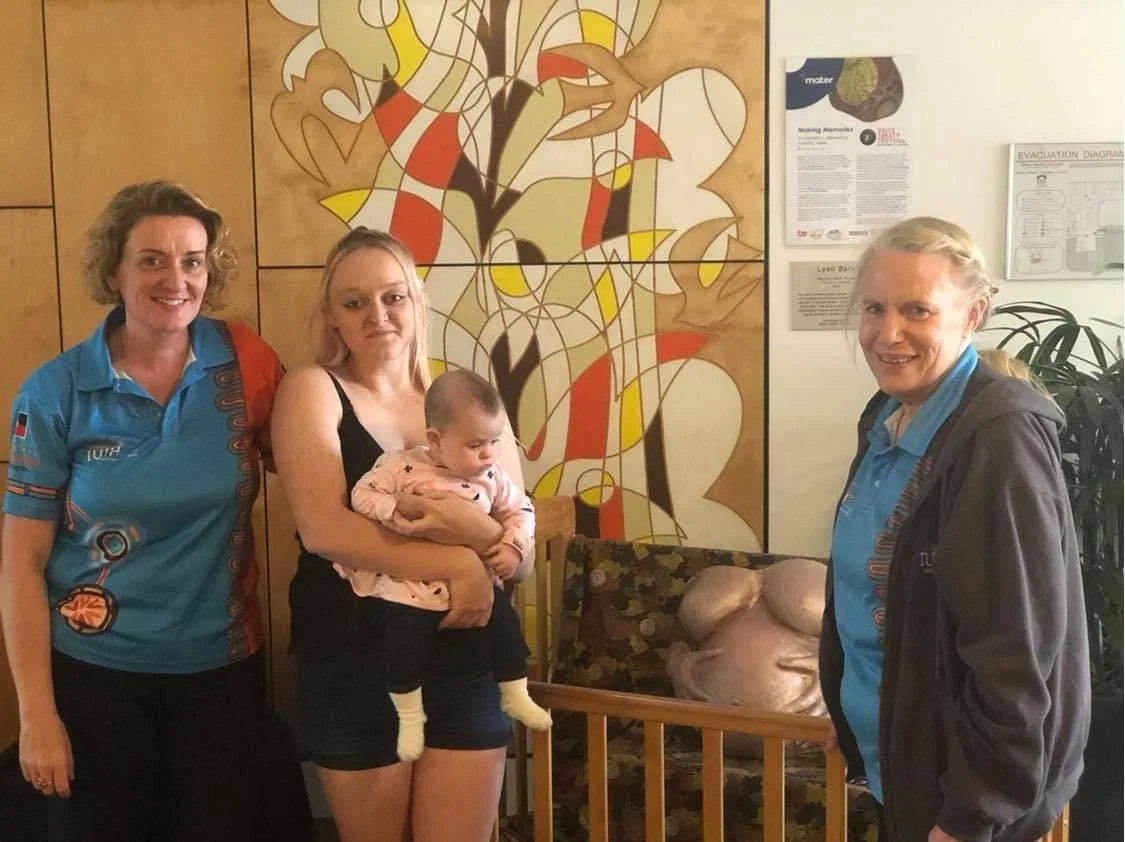
Wobcke’s contributions to arts‑health, Indigenous scholarship, and community wellbeing have been widely recognised. In 2021, she received the Australia Council for the Arts Ros Bower Award for Community Arts and Cultural Development, and the Caroline Amy Balguy Award for her significant and sustained commitment to uplifting and inspiring others. Her scholarly work, including publications with Sunderland, Stevens, Knudsen, Cooper, Bennett, Brooke, Lenette, and Wells, advances understandings of trauma‑responsive, culturally grounded arts‑health practice for Indigenous communities.
Through her combined clinical, creative, and research leadership, Marianne Wobcke is contributing to a growing body of Indigenous scholarship that honours emotional healing, cultural resilience, and the transformational power of Indigenous-led, Country‑centred models of perinatal and infant mental health.
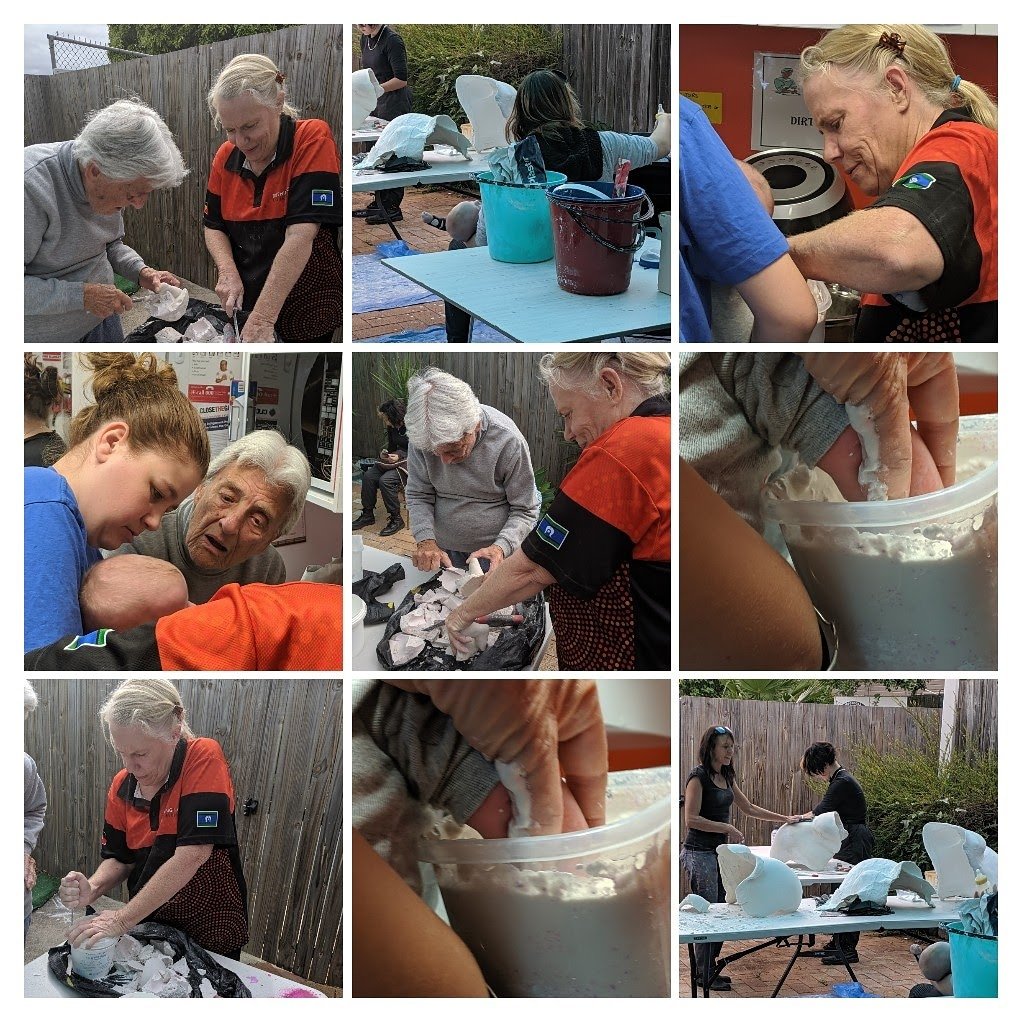
Wobcke’s major creative work, the internationally acclaimed Perinatal Dreaming_Understanding Country (2023), is an award‑winning virtual reality experience that evolved from her Stolen Generations maternal lineage. The artwork offers a visceral journey through early life in the womb, exploring both nourishing and harmful gestational environments, and has been recognised globally including winning Best VR at the 2024 Sheffield Doc/Fest. Her earlier project, The RoadTrip (2021), similarly investigates the healing potential of relational, multisensory, culturally grounded storytelling.
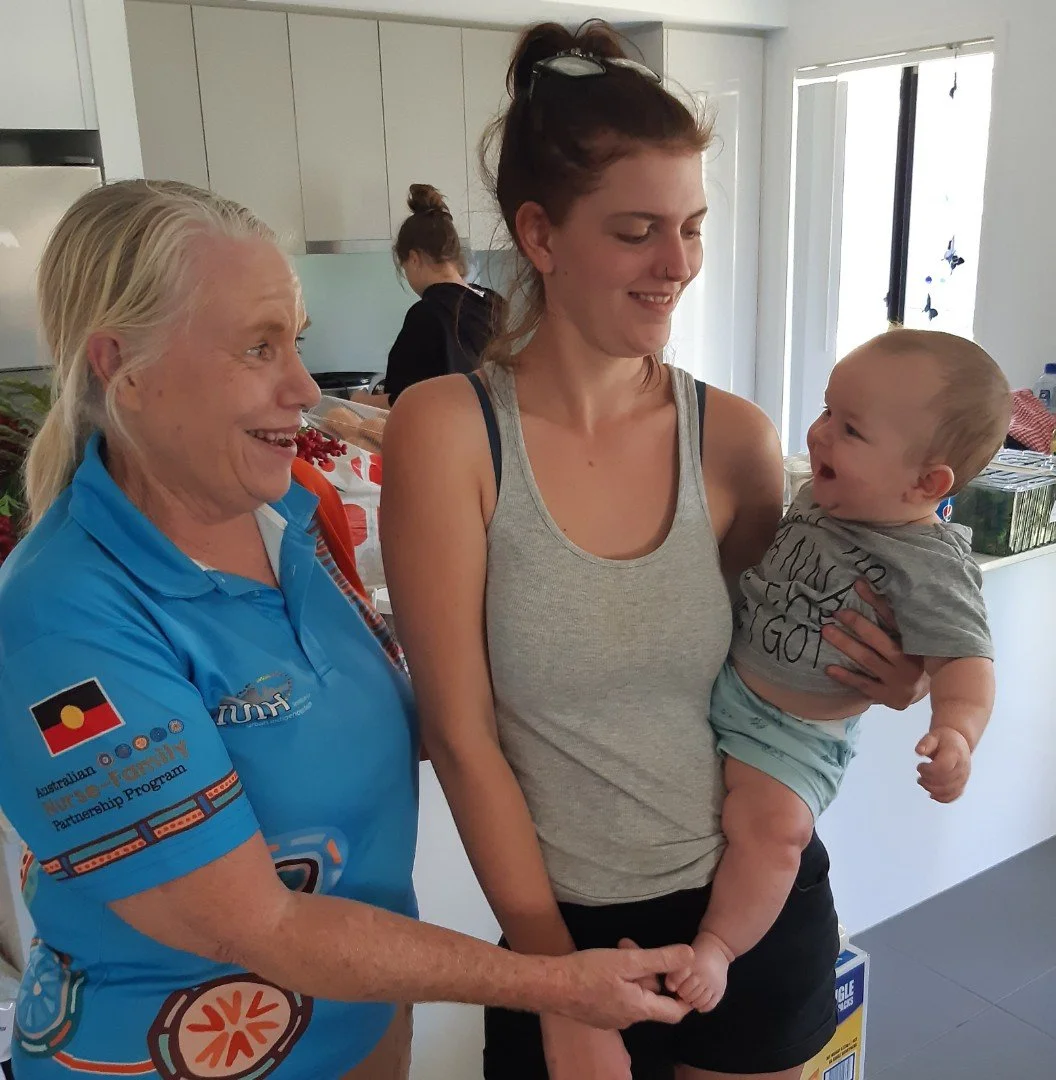
Across her clinical career, Wobcke has been a pioneer in culturally safe perinatal practice. She was the first Indigenous midwife employed by the Australian Nurse‑Family Partnership Program (ANFPP), where she helped shape relational, culturally responsive home‑visiting models for Aboriginal and Torres Strait Islander mothers and infants. Her work foregrounds Dadirri (deep listening), Kanyini (unconditional love and responsibility), and trauma‑informed care, re-conceptualising perinatal support as embodied, relational, and inextricably connected to Country, community, and ancestral wisdom.